If you are thinking about upgrading to a modern deadbolt, start with a service that understands door frames, strike plates, and the small adjustments that make a lock last. These notes come from real installations, from awkward metal frames to trim carpentry that needed rescue, and they reflect what I actually do on a job. professional deadbolt installation can spot hidden problems before they become bigger repairs. If you want a deadbolt that performs and stays aligned, this article walks through the key choices and trade-offs.
Selecting the correct deadbolt for your entry.
Picking a deadbolt is not just about grade stickers, it's about the door, the jamb, and how the lock will be used. Most homeowners choose a single-cylinder deadbolt because it operates with a key outside and a thumb turn inside, while double-cylinder locks require a key on both sides and can complicate emergency exit. ANSI Grade 1 locks are the top commercial standard, Grade 2 is solid for homes, and Grade 3 is the least robust but common in basic replacements.
A common mistake is ordering a lock that doesn't match the existing bore or backset, which forces extra carpentry later. Take two measurements and bring them to the store or include them with your online order to reduce misbuys.
Pre-installation checks that save time.
Before any hardware is installed, examine the door, jamb, hinges, and strike plate so the lock can function properly for years. If hinges are stripped or screws are four inches of short pan-heads, replace them with longer screws and square them up before mounting a heavy deadbolt. Swapping a flimsy strike for a heavy-duty box strike and driving long screws into the framing improves resistance to kick-in more than upgrading the cylinder.
If the deadbolt and latch don't line up with the strike plate, a quick shim might look like a fix but will cause wear; adjust the jamb instead. If you hear a metallic scrape while cycling the bolt, stop and trace the contact area rather than forcing the lock.
The sequence I follow on standard installs.
On every install I keep to a sequence that minimizes rework: mark, drill, mortise, assemble, secure, test. Start by marking the vertical center of the door edge and the height where the deadbolt will live, typically 6 to 12 inches above the handle depending on homeowner preference. A jig or a factory template saves wood and paint damage; freehand drilling causes oversized or misaligned holes that lead to wobbly locks.
After drilling, mortise the edge for the latch plate so it sits flush and the bolt travels unobstructed. Those long screws transfer load to the frame, which is the point of strengthening the assembly against forced entry.
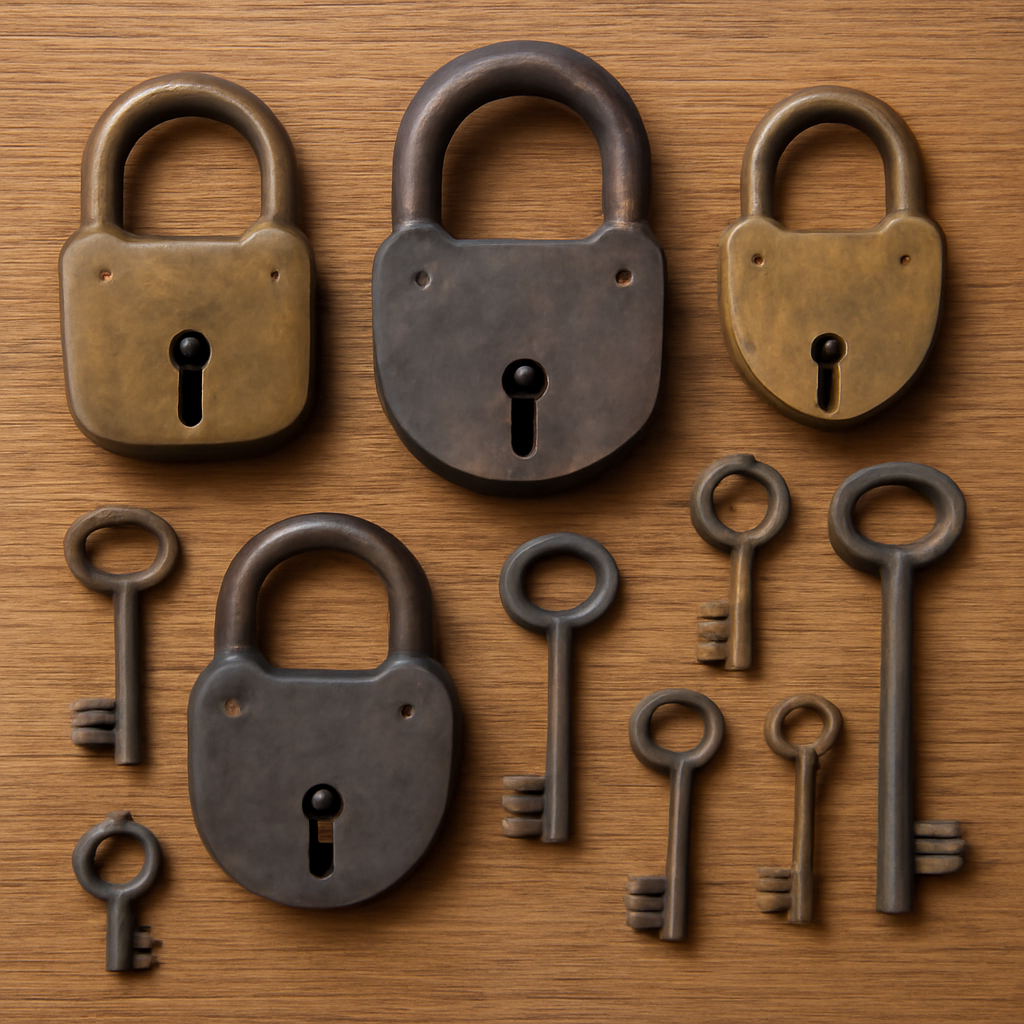
Which keyway and cylinder type should you choose?
For owner-occupied homes, prioritize cylinders with restricted key blanks or patented key control for higher security. If you want simple rekeying in the future, ask for a cylinder that supports the service exchange system or carry a spare core for quick swaps. Remember that bumping and picking resistance varies among cylinders, so budget for anti-snap, anti-bump features if you live in an area with higher break-in rates.
When a smart lock makes sense.
Electronics can bring convenience like remote access and activity logs, but every added feature increases failure modes. Make sure any electronic deadbolt you pick has a robust mechanical override and clear battery replacement instructions so you are never locked out if the electronics fail. I've rescinded plans to add electronics until the physical door operation is perfect, because software cannot fix a warped frame.
Budgeting a deadbolt install.
When the jamb needs reinforcement or the door needs trimming, plan on additional labor. Labor rates vary by region and urgency; same-day service or emergency calls typically add a premium, while scheduled work is usually cheaper. If you lack experience with door carpentry or if the entry is a main exterior access, professional installation reduces callbacks.
Repairing frequent installation errors.
Many of the failures I see are preventable: misaligned strikes, weak screws, cheap cylinders, and ignored hinge repairs. A deadbolt that binds is almost always an alignment problem, not an electrical or key issue, so correcting the strike position is the right fix rather than replacing the lock. Rekey mistakes are also common when previous owners left multiple key blanks in circulation, so I recommend rekeying or replacing cores when you move into a new home.
How to care for your deadbolt.
A few minutes of preventive maintenance keeps a lock smooth and avoids emergency calls. Liquid oils attract dust and gunk that cause sticking over time, while dry lubricants maintain free movement without residue. If you hear grinding or notice keys that wiggle excessively, consider cylinder replacement sooner rather than later, because those are early signs of internal wear.

Assessing edge cases and trade-offs.
If the door is original to a 1970s house with a soft, split jamb, replacing the bolt without addressing the frame is a short-term fix. Investing in a multi-point lock or a heavy strike package is worthwhile where break-in risk or property value justify the expense. If you live in a multi-unit building, coordinate changes with building management to ensure master-key systems and access plans remain consistent.
https://securekeywzov302.overblog.fr/2026/06/vehicle-ignition-repair-and-replace-mobile-repair.htmlFinal testing and what a good installer guarantees.
I hand the homeowner a test checklist: operate the bolt from inside and outside, test keys, check alignment when the door is latched, and cycle the lock several times. A reputable locksmith will offer a limited labor warranty and show the hardware grade to document the work. A trade pro will show you the strike reinforcement and explain why they chose a cylinder and not just hand you a generic lock.
Locksmith in Orlando, Florida: If you’re looking for a reliable locksmith in Orlando, FL, our company is here to help with certified and trustworthy locksmith services designed to fit your needs.
Locksmith Orlando | Locksmith Unit
- Address: 3725 Conroy Rd, Orlando, FL 32839, United States
- Phone: +1 407-267-5817
- Hours: Open 24 hours
- Website: locksmithunit.com
- Contact Us: Contact Locksmith Unit Orlando, FL
- About Us: About Locksmith Unit Orlando, FL
Connect with us
- Google Business Profile: Locksmith Orlando | Locksmith Unit on Google Maps
- Facebook: Locksmith Orlando | Locksmith Unit on Facebook
- Instagram: Locksmith Orlando | Locksmith Unit on Instagram
- YouTube: Locksmith Orlando | Locksmith Unit on YouTube
- TikTok: Locksmith Orlando | Locksmith Unit on TikTok
- X (Twitter): Locksmith Orlando | Locksmith Unit on X (Twitter)
- LinkedIn: Locksmith Orlando | Locksmith Unit on LinkedIn
- Pinterest: Locksmith Orlando | Locksmith Unit on Pinterest
- Threads: Locksmith Orlando | Locksmith Unit on Threads
- Blogger: Locksmith Orlando | Locksmith Unit on Blogger
- Tumblr: Locksmith Orlando | Locksmith Unit on Tumblr
- Bluesky: Locksmith Orlando | Locksmith Unit on Bluesky
- Band: Locksmith Orlando | Locksmith Unit on Band
- VK: Locksmith Orlando | Locksmith Unit on VK
- Yelp: Locksmith Orlando | Locksmith Unit on Yelp
Worldwide Brand Profiles
- Medium: Locksmith Unit on Medium
- Instapaper: Locksmith Unit on Instapaper
- Diigo: Locksmith Unit on Diigo